
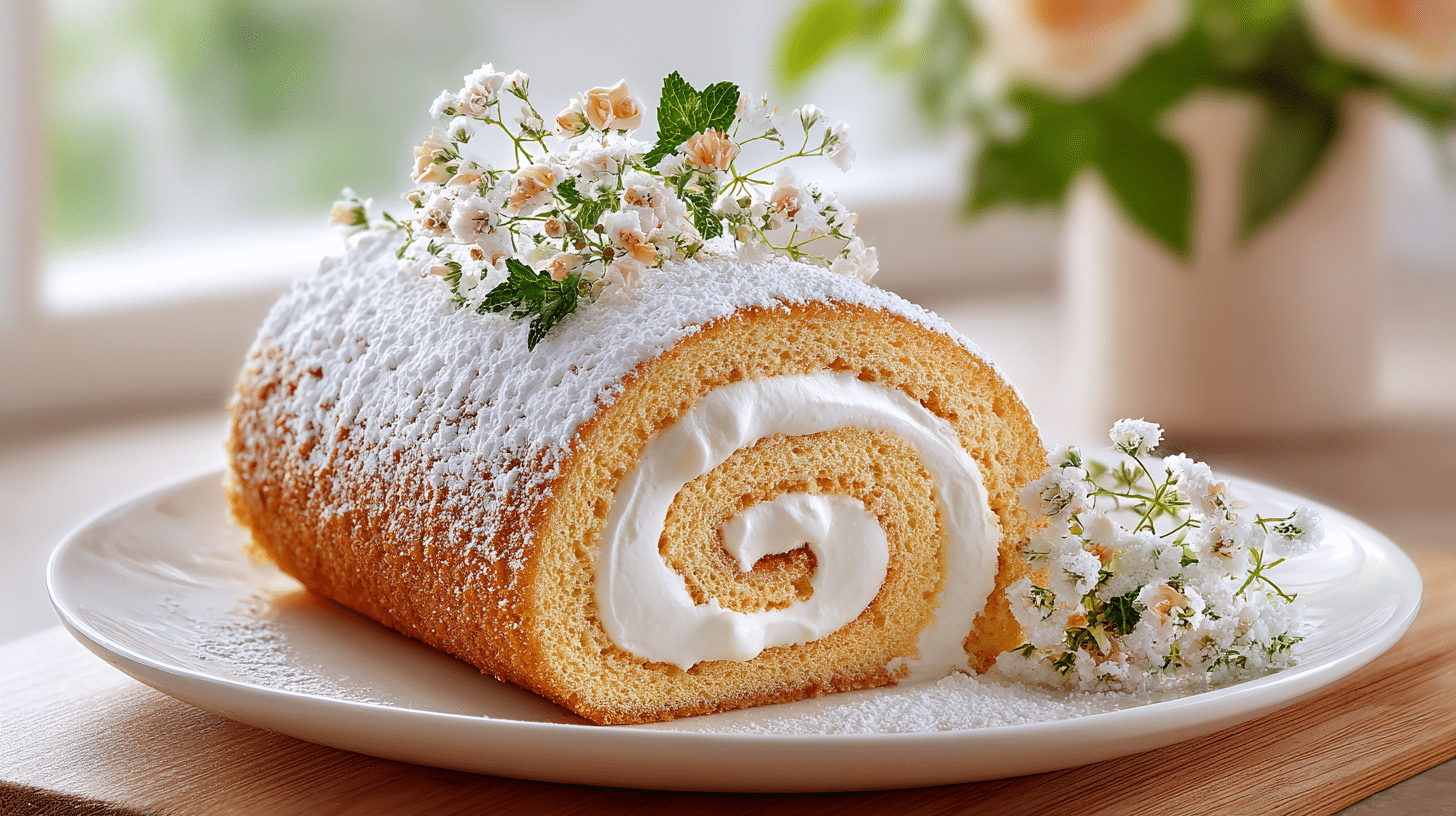
Vanilla Swiss Roll Recipe That Actually Rolls Without Cracking
There’s something surprisingly satisfying about slicing into a homemade vanilla Swiss roll and seeing that perfect spiral inside. It looks elegant, almost bakery-level impressive, yet it starts with a surprisingly simple sponge cake and a handful of everyday ingredients.
If you’ve ever avoided making a Swiss roll because you’ve heard horror stories about cracked cakes, sticky parchment paper, or fillings that ooze everywhere, you’re not alone. Many home bakers assume Swiss rolls are one of those desserts best left to professionals. The truth is a little different.
A well-made vanilla Swiss roll recipe isn’t difficult. It simply relies on understanding a few small details that make a huge difference. Once you know how to create a flexible sponge, roll it correctly, and fill it without overcomplicating things, the entire process becomes much more approachable.
In this guide, you’ll learn exactly how to make a soft, fluffy, crack-free vanilla Swiss roll from scratch. We’ll cover ingredients, techniques, troubleshooting, flavor variations, storage tips, and everything else you need for consistent success.
Table of Contents
Table of Contents
Vanilla Swiss Roll Recipe That Actually Rolls Without Cracking

Equipment
- Jelly roll pan
- Parchment paper
- Mixing bowl
- Electric mixer
- Sifter
- Kitchen towel
- Spatula
Ingredients
Vanilla Sponge Cake
- 4 large eggs, room temperature
- 100 g granulated sugar
- 1 tsp pure vanilla extract
- 90 g all-purpose flour
- 15 g cornstarch
- 1 tsp baking powder
- 1 pinch salt
- 2 tbsp milk
- 2 tbsp vegetable oil
Vanilla Cream Filling
- 250 ml heavy whipping cream
- 2 tbsp powdered sugar
- 1 tsp vanilla extract
Optional Garnishes
- powdered sugar
- fresh berries
- white chocolate shavings
- mint leaves
Instructions
- Preheat the oven to 350°F (175°C). Line a jelly roll pan with parchment paper, allowing the paper to extend slightly over the edges.
- In a large mixing bowl, beat the eggs and sugar for 5–7 minutes until pale, thick, and tripled in volume. Mix in the vanilla extract.
- Sift together the flour, cornstarch, baking powder, and salt. Gently fold the dry ingredients into the egg mixture without deflating the batter.
- Combine the milk and vegetable oil, then carefully fold into the batter until just incorporated.
- Spread the batter evenly into the prepared pan. Bake for 10–12 minutes, or until the cake springs back lightly when touched.
- Immediately invert the cake onto a clean kitchen towel dusted with powdered sugar. Remove the parchment paper and roll the cake up with the towel inside. Let cool completely.
- Whip the heavy cream, powdered sugar, and vanilla extract until medium peaks form.
- Carefully unroll the cooled cake. Spread the whipped cream evenly, leaving a small border around the edges.
- Roll the cake back up gently. Wrap and refrigerate for at least 1 hour before slicing and serving.
Notes
Why You’ll Love This Vanilla Swiss Roll Recipe
Some desserts are beautiful but overly complicated. Others are easy but forgettable. A good vanilla Swiss roll manages to strike a balance between both.
Here’s why this recipe stands out:
- Light and airy sponge cake texture
- Rich vanilla flavor without being overly sweet
- Beginner-friendly technique
- Simple pantry ingredients
- Elegant presentation for special occasions
- Perfect make-ahead dessert
- Easy to customize with different fillings
One of the biggest advantages of a Swiss roll cake is versatility. It feels equally appropriate for a holiday gathering, birthday celebration, afternoon coffee break, or weekend baking project.
And honestly? There’s a small moment of pride when you slice into that first piece and reveal a perfectly rolled swirl.
What Is a Swiss Roll?
A Swiss roll is a thin sponge cake baked in a sheet pan, filled with cream, frosting, jam, or another filling, then rolled into a spiral shape while still flexible.
Despite its name, historians aren’t entirely certain the dessert actually originated in Switzerland. Similar rolled sponge cakes have appeared throughout Central Europe for generations.
Today, Swiss rolls are popular worldwide because they combine simplicity with visual appeal. The rolled design creates a striking presentation while requiring relatively basic baking skills once the technique is understood.
Traditional variations include:
- Vanilla Swiss roll
- Chocolate Swiss roll
- Raspberry jam roll
- Lemon cream roll
- Strawberry Swiss roll
- Coffee Swiss roll
Among all these versions, the classic vanilla Swiss roll remains one of the most versatile and universally loved.
Recipe Card
Preparation Information
- Prep Time: 25 minutes
- Cook Time: 12 minutes
- Total Time: 37 minutes
- Chill Time: 1 hour
- Servings: 8–10 slices
- Difficulty: Intermediate Beginner
- Calories: Approximately 280–320 per serving
Ingredients You’ll Need
For the Vanilla Sponge Cake
- 4 large eggs, room temperature
- 100g granulated sugar
- 1 teaspoon pure vanilla extract
- 90g all-purpose flour
- 15g cornstarch
- 1 teaspoon baking powder
- Pinch of salt
- 2 tablespoons milk
- 2 tablespoons vegetable oil
For the Vanilla Cream Filling
- 250ml heavy whipping cream
- 2 tablespoons powdered sugar
- 1 teaspoon vanilla extract
Optional Garnishes
- Powdered sugar
- Fresh berries
- White chocolate shavings
- Mint leaves
The Secret to a Soft and Flexible Swiss Roll
Most Swiss roll failures happen before the cake even reaches the oven.
The goal isn’t simply creating a sponge cake. The goal is creating a sponge cake that remains flexible enough to roll without cracking.
Why Eggs Matter
Eggs provide structure and volume. Properly whipped eggs trap air, creating a sponge that feels light instead of dense.
Under-whipped eggs often result in a flat cake.
Over-mixing after adding flour can deflate the batter entirely.
Why Cornstarch Helps
Cornstarch softens the overall texture of the cake.
The result is a finer crumb that bends more easily during rolling, reducing the chance of cracks.
Why Timing Is Critical
Overbaking is one of the most common causes of cracking.
Even an extra two or three minutes can dry out the sponge enough to make rolling difficult.
The cake should spring back lightly when touched but still feel soft and moist.
How to Make a Vanilla Swiss Roll Step by Step
Step 1: Prepare Your Pan
Preheat the oven to 350°F (175°C).
Line a jelly roll pan with parchment paper, ensuring the paper extends slightly over the edges.
This makes removal much easier later.
Step 2: Whip the Eggs and Sugar
In a large mixing bowl, beat the eggs and sugar until pale, thick, and tripled in volume.
This usually takes 5–7 minutes.
Add vanilla extract and mix briefly.
Step 3: Fold in the Dry Ingredients
Sift together:
- Flour
- Cornstarch
- Baking powder
- Salt
Fold gently into the egg mixture.
Be patient here.
Aggressive mixing can remove the air you’ve worked so hard to create.
Step 4: Add Oil and Milk
Combine the milk and oil.
Fold them into the batter until just incorporated.
The batter should remain light and airy.
Step 5: Bake
Spread evenly into the prepared pan.
Bake for approximately 10–12 minutes.
The surface should appear lightly golden and spring back when touched.
Step 6: Roll While Warm
Immediately invert the cake onto a clean kitchen towel lightly dusted with powdered sugar.
Carefully remove the parchment paper.
Roll the cake gently with the towel inside.
Allow it to cool completely.
This “training roll” helps create the spiral shape and reduces cracking later.
Step 7: Prepare the Filling
Whip heavy cream, powdered sugar, and vanilla until medium peaks form.
Avoid over-whipping.
You want a smooth, spreadable consistency.
Step 8: Fill and Roll
Unroll the cooled cake.
Spread the whipped cream evenly.
Leave a small border around the edges.
Roll the cake back up carefully.
Wrap and refrigerate for at least one hour before slicing.
Common Swiss Roll Mistakes and How to Avoid Them
My Cake Cracked
Most likely causes:
- Overbaking
- Rolling after cooling completely
- Rolling too tightly
Solution:
Roll while warm and avoid overbaking.
My Cake Is Dense
Possible reasons:
- Eggs weren’t whipped enough
- Batter was overmixed
Solution:
Focus on creating volume during the egg-whipping stage.
My Filling Leaks Out
Possible reasons:
- Too much filling
- Filling too soft
Solution:
Chill the whipped cream before using and avoid overfilling.
My Cake Sticks to the Towel
Possible reasons:
- Insufficient powdered sugar
- Cake cooled too long before rolling
Solution:
Dust generously and work quickly.
Delicious Flavor Variations
Once you’ve mastered the classic vanilla Swiss roll recipe, you can experiment with different flavor combinations.
Strawberry Cream Swiss Roll
Add sliced strawberries and strawberry whipped cream.
Chocolate Vanilla Roll
Spread chocolate ganache beneath the cream filling.
Lemon Swiss Roll
Use lemon zest in the sponge and lemon curd in the filling.
Raspberry Vanilla Roll
Layer raspberry preserves beneath whipped cream for a tart contrast.
Storage, Freezing and Make-Ahead Tips
One of the best things about Swiss rolls is how well they store.
Refrigerator Storage
Store covered in the refrigerator for up to 3 days.
Freezing Instructions
Wrap tightly in plastic wrap.
Add a layer of aluminum foil.
Freeze for up to 2 months.
Thaw overnight in the refrigerator.
Make-Ahead Option
Bake and roll the sponge one day ahead.
Fill and decorate the next day.
Many bakers actually prefer this approach because it breaks the process into manageable steps.
Frequently Asked Questions
Why Did My Swiss Roll Crack?
Cracking usually happens because the cake was overbaked or allowed to cool completely before the initial roll.
Can I Freeze a Vanilla Swiss Roll?
Yes. Properly wrapped Swiss rolls freeze exceptionally well for up to two months.
Can I Use Cake Flour Instead of All-Purpose Flour?
Absolutely. Cake flour creates an even softer sponge texture
How Long Does Swiss Roll Last?
A cream-filled Swiss roll typically stays fresh for 2–3 days when refrigerated.
Can I Make It Without Whipped Cream?
Yes. Jam, mascarpone, buttercream, cream cheese frosting, and chocolate ganache all work beautifully.
Nutrition Information
Approximate values per serving:
- Calories: 300
- Carbohydrates: 28g
- Protein: 5g
- Fat: 18g
- Saturated Fat: 10g
- Sugar: 18g
- Fiber: 1g
Nutrition values may vary depending on ingredients used.
Final Thoughts
A homemade vanilla Swiss roll has a way of feeling more impressive than the effort it actually requires. Maybe it’s the elegant spiral. Maybe it’s the contrast between the light sponge and creamy filling. Or maybe it’s simply because rolled cakes look like something that should be difficult—even when they aren’t.
Once you’ve made one successfully, the process becomes surprisingly intuitive. You’ll start experimenting with fillings, flavors, and decorations, and before long, you’ll wonder why you ever found Swiss rolls intimidating in the first place.
The biggest takeaway? Don’t chase perfection. Focus on a soft sponge, gentle rolling, and enjoying the process. A slightly imperfect Swiss roll still tastes every bit as delicious as a flawless one.
And when you cut that first slice and see the swirl inside, you’ll understand exactly why this classic dessert has remained a favorite for generations.
for more recipes follow me in my account Pinterest .